

What PET Hydrolysis Really Means for Plastics
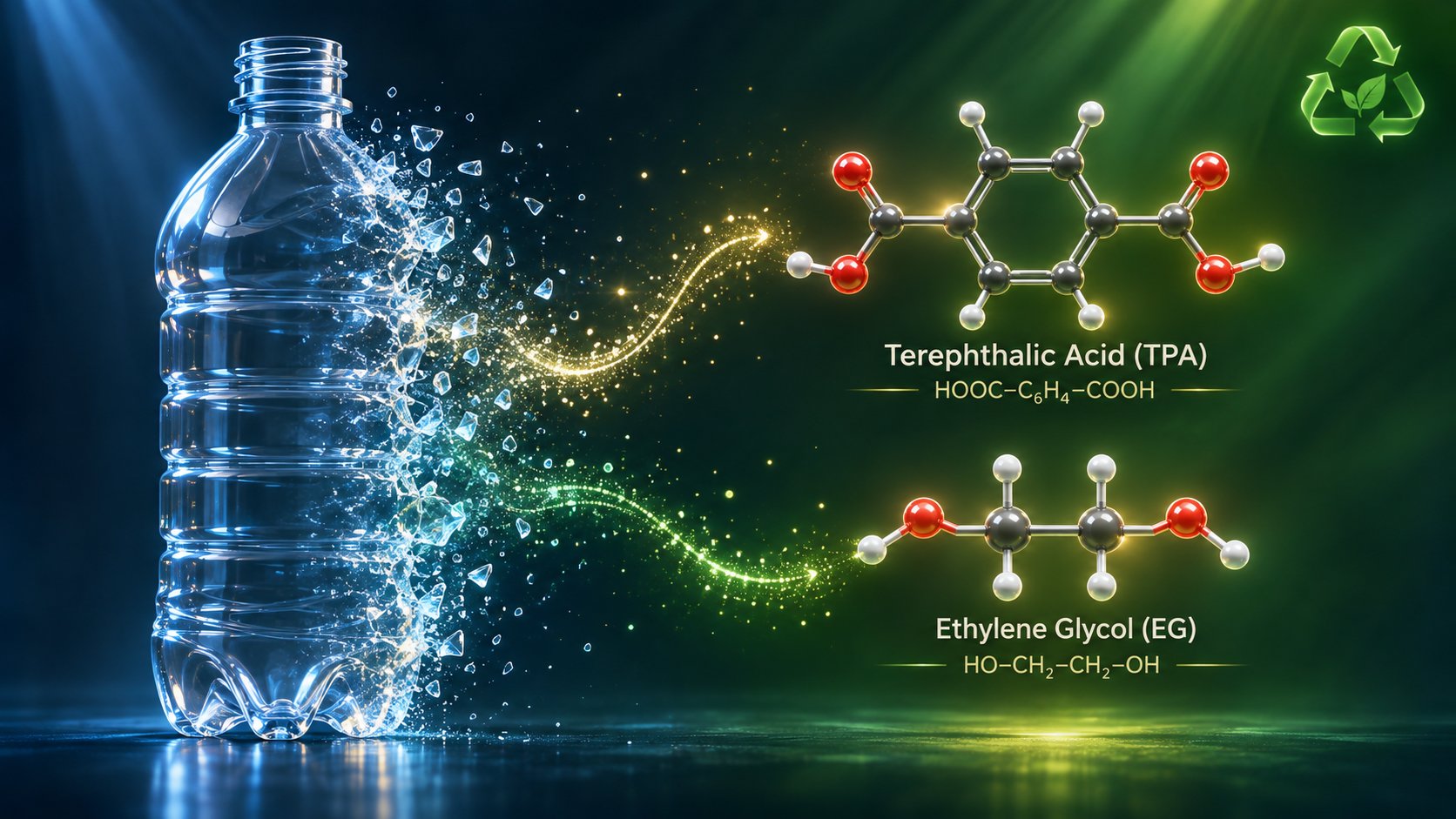
PET hydrolysis is the chemical process in which water breaks the ester bonds holding polyethylene terephthalate together, splitting the polymer into its two building blocks: terephthalic acid (TPA) and ethylene glycol (EG). That single sentence captures a reaction with two radically different consequences. For a manufacturer molding plastic bottles, it describes a failure mode that can ruin an entire production run. For a sustainability engineer, it describes a recycling pathway capable of turning post-consumer waste back into virgin-quality raw materials.
This duality makes PET hydrolysis one of the most consequential reactions in modern polymer science. It sits squarely at the intersection of materials engineering, environmental chemistry, and circular-economy strategy. Understanding how it works, and when it happens, is essential whether your goal is to prevent degradation or accelerate it.
Consider the scale involved. PET is the world's most widely produced polyester, with global output reaching nearly 28 million metric tons in 2024. You'll find it everywhere: beverage bottles, food-grade clamshells, polyester textile fibers, medical packaging, and high performance thermoplastics in automotive and electronics applications. Every one of those products is built from the same repeating ester linkage, and every one of them is, in principle, vulnerable to hydrolysis under the right conditions.
Defining PET Hydrolysis at the Molecular Level
Imagine a long chain where each link is an ester bond connecting a TPA unit to an EG unit. The chain can contain hundreds or even thousands of these links, and its length determines the material's strength, clarity, and toughness. During hydrolysis, a water molecule attacks one of those links and snaps it apart. The technical term for this is chain scission.
Here is what happens at the atomic level. Each ester bond contains a carbonyl carbon, a carbon atom double-bonded to oxygen, that carries a slight positive charge. Water, or a more reactive species like a hydroxide ion, acts as a nucleophile and targets that electrophilic carbon. The attack breaks the carbon-oxygen bond that held the two monomer units together, producing a carboxylic acid fragment on one side and a hydroxyl (alcohol) fragment on the other. Multiply that event across many sites along the polymer backbone and the long chains shorten dramatically, generating free TPA and EG molecules.
Every cleavage event reduces the polymer's molecular weight. Fewer long chains mean weaker mechanical properties, lower melt viscosity, and eventually a material that is brittle, hazy, or entirely unsuitable for its original purpose. This is the degradation side of the equation, the outcome that keeps injection molders and packaging engineers awake at night.
Why PET Hydrolysis Matters Across Industries
Two very different professional communities care deeply about this reaction, and they want opposite things:
- Prevention-focused engineers - injection molders, film extruders, and packaging designers who need PET to maintain its molecular weight throughout processing and service life. For them, even trace moisture during melt processing can trigger unwanted hydrolysis and compromise product quality.
- Recycling-focused scientists - chemical recyclers, enzyme researchers, and environmental engineers who deliberately drive hydrolysis to completion. Their aim is to recover high-purity TPA from PET waste, feed it back into polymerization reactors, and close the material loop.
The same reaction that causes a PET part to fail in service can also return post-consumer plastic to virgin-quality monomers.
That tension is what makes this topic so rich. A life cycle assessment published in ACS Sustainable Chemistry & Engineering demonstrated that chemically recycled PET outperforms virgin PET in 12 of 18 environmental impact categories, reinforcing the value of controlled hydrolysis as a legitimate recycling strategy. Meanwhile, the European Commission is pushing minimum recycled-content requirements in plastic packaging, adding regulatory urgency to both sides of the conversation.
The chemistry itself does not change based on intent. Temperature, pressure, pH, crystallinity, and moisture content all govern how fast and how completely the ester bonds break. What changes is perspective, and that perspective shapes every engineering decision downstream.
The Chemical Mechanism Behind PET Hydrolysis
Knowing that water breaks ester bonds is one thing. Understanding exactly how it happens, step by step, gives you the power to predict when PET will degrade and how quickly. The mechanism behind PET hydrolysis follows a classic nucleophilic addition-elimination pathway, and once you see it clearly, every decision about drying protocols, recycling reactor design, or environmental fate analysis starts to make intuitive sense.
Ester Bond Cleavage and the Role of Water
PET's backbone is a repeating sequence of two monomer units, terephthalic acid (TPA) and ethylene glycol (EG), joined by ester bonds. Each ester bond contains a carbonyl group: a carbon atom double-bonded to an oxygen atom. That carbon carries a partial positive charge because the electronegative oxygen pulls electron density away from it. This makes the carbonyl carbon electrophilic, meaning it attracts electron-rich species.
Water, hydroxide ions (OH-), or hydronium ions (H3O+) can all act as the attacking nucleophile, depending on pH. Here is how the process unfolds in three stages:
- Nucleophilic attack: The oxygen atom of the water molecule (or hydroxide ion) donates a pair of electrons to the electrophilic carbonyl carbon. This forces the carbon-oxygen double bond to temporarily become a single bond, forming a tetrahedral intermediate, a short-lived structure where the carbon is bonded to four groups instead of three.
- Collapse of the intermediate: The tetrahedral intermediate is unstable. It collapses by expelling the oxygen atom that originally linked the TPA and EG units. This breaks the C-O ester bond that held the two monomer fragments together.
- Product formation: The chain splits into two pieces. One side carries a new carboxylic acid end group (the TPA fragment), while the other carries a hydroxyl end group (the EG fragment). The overall reaction consumes one water molecule per ester bond cleaved.
A simplified text-based reaction scheme captures this neatly:
~TPA-COO-CH2CH2-OOC-TPA~ + H2O → ~TPA-COOH + HO-CH2CH2-OOC-TPA~
Each cleavage event cuts one long polymer chain into two shorter ones. Reactive molecular dynamics simulations confirm that as hydrolysis progresses, the longest chain fragments steadily shrink, with molecules containing eight carbon atoms (TPA) and two carbon atoms (EG) emerging as the dominant final products. Repeat this process thousands of times across a single PET pellet and you have complete depolymerization, the endpoint that chemical recyclers aim for.
How Chain Scission Degrades Mechanical Properties
So how do engineers track this molecular destruction in a practical setting? The standard industry metric is intrinsic viscosity (IV), measured in deciliters per gram (dL/g). IV reflects the average molecular weight and polymer chain length of the material. Longer chains produce more entanglements in the melt, yielding a higher IV and a stiffer, stronger product.
Different PET applications demand different IV ranges. Industry data shows how tightly these grades are controlled:
| PET Grade | Intrinsic Viscosity (dL/g) |
|---|---|
| Fiber grade | 0.40 - 0.70 |
| Film grade | 0.70 - 1.00 |
| Bottle grade | 0.70 - 0.78 |
| Water and soft drink bottle grade | 0.78 - 0.85 |
Hydrolytic chain scission progressively lowers IV. You'll notice the effects in stages: first a slight drop in tensile strength, then increasing brittleness, followed by haze formation as the shorter chains crystallize differently. The relationship is not linear. A bottle-grade PET resin starting at 0.80 dL/g might tolerate a drop to 0.75 dL/g with only minor performance loss. But once IV falls below roughly 0.70 dL/g, the material may become too brittle for structural packaging, too hazy for consumer appeal, and too weak for the pressures inside a carbonated beverage container.
This threshold behavior explains why PET is so sensitive to moisture during processing. Even small amounts of residual water can push IV below the critical floor during the high-temperature melt phase, turning a good resin into scrap. Analytical techniques such as CIPP spectral analysis and solution viscometry help quality teams detect these shifts before they cascade into rejected production lots. The same IV-drop phenomenon also explains why mechanically recycled PET (rPET) often has lower performance, repeated melt cycles and moisture exposure degrade the chains with each pass, unlike the monomer-level reset that hydrolysis-based chemical recycling provides.
The Influence of pH on Reaction Pathway
Not all hydrolysis reactions proceed at the same speed or through the same route. The pH of the reaction environment fundamentally changes how water interacts with the ester bond, creating three distinct pathways:
- Acid-catalyzed hydrolysis: Protons (H+) from the acid protonate the carbonyl oxygen of the ester group, making the carbonyl carbon even more electrophilic. This activates the bond for attack by a water molecule. Think of it as weakening the lock before inserting the key. The acid is regenerated after each cleavage event, acting as a true catalyst. Activation energies for sulfuric acid-catalyzed PET hydrolysis have been reported at approximately 88.7 kJ/mol.
- Base-catalyzed (alkaline) hydrolysis: Hydroxide ions (OH-) are far stronger nucleophiles than neutral water molecules. They attack the carbonyl carbon directly and aggressively, bypassing the need for protonation. This pathway, often called saponification, proceeds faster than neutral hydrolysis at comparable temperatures. However, the hydroxide is consumed in the reaction rather than regenerated, producing a salt form of TPA (disodium terephthalate) that requires acidification to recover free TPA.
- Neutral hydrolysis: Pure water at ambient conditions is a weak nucleophile, making this the slowest pathway by far. Practical neutral hydrolysis requires elevated temperatures and pressures to compensate. Experimental activation energies for neutral PET hydrolysis fall in the range of 90 to 123 kJ/mol, confirming the substantial energy barrier that water alone must overcome.
Each pathway produces the same fundamental products, TPA and EG, but the reaction conditions, byproducts, and engineering requirements differ dramatically. Much like how the pvc melting point dictates processing windows for vinyl compounds, the choice of pH environment sets the operational boundaries for PET depolymerization: temperature range, pressure requirements, reactor materials, and downstream purification steps all shift depending on whether you're working in acid, base, or water alone. Those trade-offs deserve their own detailed comparison.
Acid vs Alkaline vs Neutral Hydrolysis Compared
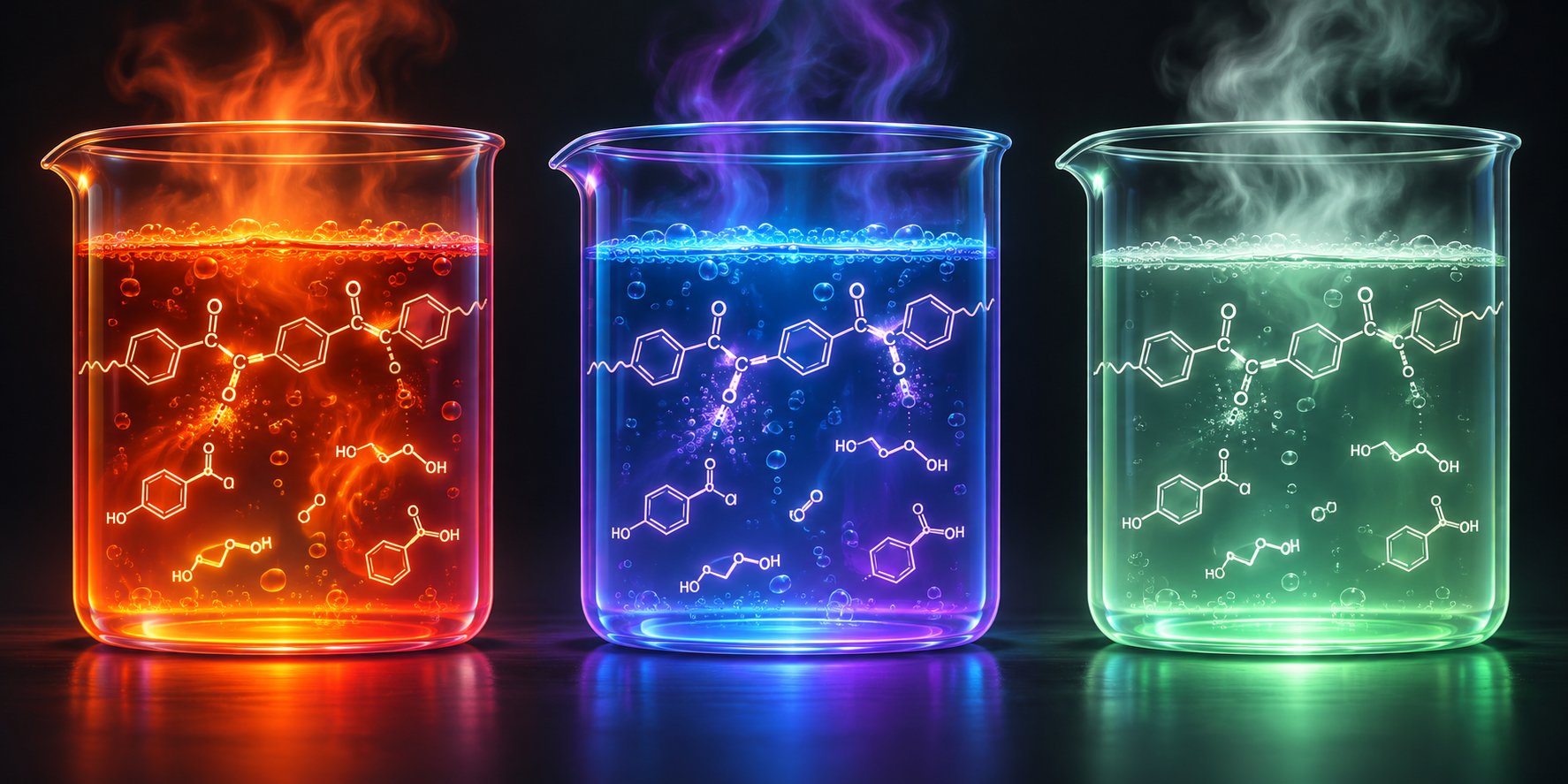
The pH pathway you choose does not just tweak the reaction speed. It reshapes virtually every engineering parameter: the reactor material, the energy bill, the product you collect at the end, and the waste stream you need to manage. Acid, alkaline, and neutral hydrolysis each offer a distinct package of advantages and compromises, yet until you see them side by side, making a rational choice is difficult. Let's lay all three options on the table.
Acid Hydrolysis Conditions and Trade-Offs
Acid hydrolysis uses mineral acids, most commonly concentrated sulfuric acid, to protonate the ester linkage and accelerate water's attack on the polymer chain. The approach can be remarkably fast under the right conditions. Research by Yoshioka et al. demonstrated complete PET depolymerization in 5 hours using 7 M sulfuric acid at 150 degrees C and atmospheric pressure. Nitric acid achieved the same result in 16 hours at 13 M concentration and 100 degrees C. An early patent by Brown and O'Brien pushed the boundary even further: at 95 weight percent sulfuric acid and roughly 75 degrees C, complete conversion occurred in approximately 4 minutes.
Those numbers are impressive, but the trade-offs are steep. Concentrated mineral acids are intensely corrosive, restricting reactor material selection to specialty alloys or glass-lined vessels. The acid must be separated from the ethylene glycol produced during the reaction, typically through costly distillation. Side reactions are another concern; sulfuric acid can cause sulfonation of the aromatic ring on TPA, introducing impurities that complicate downstream repolymerization.
Pros
- Produces free TPA directly, eliminating the acidification step needed in alkaline routes
- Effective at depolymerizing high-crystallinity PET that resists other methods
- The acid catalyst is regenerated during the reaction rather than consumed
Cons
- Highly corrosive reagents increase equipment costs and maintenance frequency
- Concentrated acid waste management adds environmental and regulatory burden
- Potential sulfonation side reactions reduce TPA purity
Interestingly, no new patents have been issued for acid-based PET hydrolysis since the 1980s, largely because of these practical barriers. Yet recent academic work on solid acid catalysts and Lewis-Bronsted acid deep eutectic solvents is renewing interest in this pathway by addressing the corrosion and waste problems.
Alkaline Hydrolysis and Saponification Efficiency
Alkaline hydrolysis, sometimes called saponification, replaces acid with a strong base, typically NaOH or KOH dissolved in water at concentrations between 4 and 20 weight percent. The hydroxide ion is a far more aggressive nucleophile than neutral water, which means you can achieve meaningful depolymerization rates at lower temperatures than neutral hydrolysis would require.
Standard alkaline conditions involve temperatures around 130 to 225 degrees C and pressures from 1 to 17 atm, depending on whether phase transfer catalysts (PTCs) are employed. Optimization studies on post-consumer PET waste found that pressurized alkaline hydrolysis at 150 degrees C with a stoichiometric NaOH-to-PET ratio of 2:1 delivered TPA yields exceeding 95 percent and purities averaging 98.5 percent. When PTCs like tributylhexadecylphosphonium bromide are added, the reaction can proceed at temperatures as low as 80 degrees C and atmospheric pressure, achieving over 90 percent PET conversion.
There is one crucial difference in the product, though. The hydroxide reacts with TPA to form disodium terephthalate rather than free terephthalic acid. Recovering purified TPA demands a subsequent acidification step, usually with HCl or sulfuric acid, to precipitate the solid monomer from solution. This extra step adds process complexity and chemical cost. Moreover, the base catalyst is consumed during the reaction and cannot be recovered, unlike the acid catalyst pathway, a factor that weighs on sustainability and operating expenses over repeated batches.
Even with these limitations, alkaline hydrolysis is currently considered the most commercially mature hydrolysis route for PET recycling. It tolerates higher levels of feedstock contamination than acid methods and produces TPA of sufficient purity for repolymerization into food-grade PET.
Neutral Hydrolysis in Water and Marine Environments
Imagine stripping away every corrosive chemical and using nothing but water. That is the appeal of neutral hydrolysis, the greenest chemical route because it avoids hazardous reagents entirely. The catch? Pure water is a weak nucleophile at ambient conditions, so you need significant thermal and pressure assistance to compensate.
Published experimental data shows that neutral hydrolysis operates at temperatures between 115 and 420 degrees C and pressures from 10 to 420 atm. Complete depolymerization has been achieved at 265 degrees C with a 5:1 water-to-PET weight ratio in about 2 hours. At 300 degrees C, reaction times can drop to as little as 10 minutes. The products are free TPA and ethylene glycol, with no salt intermediates requiring acidification. However, the mechanical impurities carried over from post-consumer feedstocks tend to contaminate the TPA more than in alkaline processes, necessitating more intensive purification.
The energy demands are significant. Keeping water in a liquid or superheated state at these temperatures requires pressurized reactor systems, and the operational costs have prevented neutral hydrolysis from being patented or scaled up for high-tonnage PET recycling. Unlike other polymer processing parameters, where a quick conversion like 30 Fahrenheit to Celsius might be all you need to verify a temperature specification, neutral hydrolysis operates in a regime where every additional degree and atmosphere of pressure carries real engineering and economic weight.
On the environmental side, neutral hydrolysis takes on a very different meaning. PET in marine water at ambient temperatures, roughly 5 to 25 degrees C and atmospheric pressure, undergoes extremely slow hydrolytic degradation. Rates are so low that bottles and microplastic fragments persist for decades to centuries before meaningful chain scission occurs. This environmental dimension helps explain why PET microplastics accumulate in oceans: the neutral hydrolysis pathway exists, but at ambient conditions it is far too slow to serve as a natural degradation mechanism. Understanding this persistence is critical for environmental scientists modeling the fate of plastic pollution, much as understanding natural fiber degradation rates helps ecologists assess organic material cycling in marine systems.
The table below consolidates the three approaches into a single reference. It covers reagents, operating windows, products, and key trade-offs, giving you a quick way to evaluate which pathway fits your specific goal, whether that is large-scale recycling, monomer recovery research, or environmental fate modeling.
| Parameter | Acid Hydrolysis | Alkaline Hydrolysis | Neutral Hydrolysis |
|---|---|---|---|
| Reagent | Concentrated H2SO4, HNO3, or solid acid catalysts | NaOH or KOH (4-20 wt%) in water; optional PTCs | Pure water or steam (no added chemicals) |
| Typical Temperature Range | 60-150 degrees C (ambient with very concentrated acid) | 80-225 degrees C (lower end with PTCs) | 115-420 degrees C |
| Typical Pressure | 1 atm (atmospheric in most cases) | 1-17 atm | 10-420 atm |
| Reaction Time | 4 min to 16 h (depends on acid type and concentration) | 8 min to 5 h (depends on PTC use and temperature) | 10 min to 6 h (depends on temperature and pressure) |
| Primary Products | Free TPA + EG | Disodium terephthalate + EG (acidification needed to recover free TPA) | Free TPA + EG |
| Key Advantages | Direct TPA recovery; effective on high-crystallinity PET; acid catalyst is regenerated | Lower temperatures than neutral; tolerates contaminated feedstock; most commercially mature hydrolysis route | No corrosive chemicals; greenest reagent profile; no salt byproducts |
| Key Limitations | Highly corrosive; costly acid-EG separation; potential sulfonation side reactions; no recent patents | Base catalyst consumed (not recoverable); extra acidification step required; chemical cost per batch | Highest energy input; pressurized reactor required; no commercial scale-up to date; higher TPA impurities from feedstock |
A few patterns jump out when you compare these columns. Acid hydrolysis offers the fastest raw conversion rates but pays for speed with corrosion and waste-handling complexity, challenges that mirror the difficulties of processing other thermally sensitive polymers near their limits, similar to how working near the pvc melting temperature demands specialized equipment and careful thermal control. Alkaline hydrolysis strikes a middle ground, balancing reaction efficiency with feedstock tolerance, which is why it has attracted the most industrial attention. Neutral hydrolysis is the simplest in chemistry but the most demanding in energy. Each route's effectiveness also depends heavily on variables that extend beyond pH alone, factors like temperature, crystallinity, particle size, and water-to-polymer ratio, all of which shape how quickly and completely those ester bonds actually break.
Reaction Conditions That Control Hydrolysis Efficiency
Choosing acid, alkaline, or neutral chemistry sets the stage, but it does not write the script. The actual rate and completeness of PET hydrolysis depend on a handful of process variables that interact in ways both predictable and occasionally surprising. Temperature, pressure, crystallinity, particle size, and the water-to-polymer ratio all push or pull the reaction, and adjusting one often forces a change in another. Getting these variables right is the difference between a clean, high-yield depolymerization and a sluggish, incomplete mess.
Temperature, Pressure, and Their Coupled Effects
Temperature is the single most powerful lever you can pull. Hydrolysis rate increases sharply as heat rises, but the relationship is not a simple straight line. It is governed by activation energy, and that value changes depending on the physical state of the polymer.
A five-year aging study published in Polymer Degradation and Stability demonstrated this clearly. Researchers tracked PET hydrolysis from 25 to 105 degrees C and found two distinct activation energy regimes. Below PET's glass transition temperature (Tg, approximately 70-80 degrees C), the activation energy was only 31 plus or minus 12 kJ/mol. Above Tg, it jumped dramatically to 134 plus or minus 4 kJ/mol. That jump reflects a fundamental change in how water interacts with the polymer: below Tg, PET's amorphous phase is locked in a rigid, glassy state where chain mobility is minimal. Above Tg, the amorphous regions transition to a rubbery, more mobile state, opening pathways for water to penetrate deeper into the material and accelerate chain scission.
Why does this matter practically? It means that extrapolating high-temperature lab data to predict real-world degradation at ambient conditions can lead to wildly inaccurate predictions. Activation energies determined above Tg simply do not apply to service temperatures below it. For chemical recyclers, the takeaway is equally direct: pushing temperatures above Tg and ideally toward PET's melting range (around 250-260 degrees C) makes the entire polymer susceptible to hydrolytic attack, not just the amorphous fraction.
Higher temperatures, of course, come with an engineering cost. Water must be kept in a liquid or superheated state, which demands pressurized reactor systems. Neutral hydrolysis at 300 degrees C, for example, requires pressures exceeding 85 atm. Even alkaline systems operating at 150-200 degrees C need pressure vessels rated for several atmospheres. Every step up in temperature and pressure adds capital cost, maintenance complexity, and safety considerations.
Crystallinity as a Rate-Limiting Factor
Imagine trying to soak water into a tightly packed brick versus a loose sponge. That is roughly the difference between crystalline and amorphous PET when it comes to hydrolysis. In crystalline regions, polymer chains are packed in parallel, highly ordered arrays that leave almost no room for water molecules to penetrate. Amorphous regions, by contrast, have a disordered chain arrangement with free volume that water can access.
The experimental evidence is striking. A review in Engineering Biology compiled enzymatic hydrolysis data across a wide range of PET substrates and found that low-crystallinity PET (around 7 percent) degraded at rates 10-fold to over 100-fold faster than high-crystallinity PET (35-48 percent). Three different cutinase enzymes, HiC, PmC, and FsC, showed 25-, 10-, and 6-fold higher initial activities, respectively, on low-crystallinity PET versus biaxially oriented PET with 35 percent crystallinity. In one case, amorphous PET film (4.1 percent crystallinity) yielded 10-fold more degradation products than granular PET at 13.7 percent crystallinity, despite the granular material having a higher surface area.
That last detail is worth pausing on. It suggests that crystallinity can dominate over surface area as the rate-limiting factor, a critical insight for anyone designing a recycling process. Post-consumer PET bottles typically have crystallinities ranging from 20 to 40 percent, depending on stretch-blow molding conditions and thermal history. This means the feedstock arriving at a recycling plant is inherently resistant to hydrolysis compared to laboratory-grade amorphous films.
Pre-treatment steps directly address this barrier. Grinding PET into smaller particles exposes fresh amorphous surfaces. Amorphization, dissolving PET in a solvent and reprecipitating it or using rapid quenching to suppress crystallization, can reduce crystallinity to near-zero levels. Tournier et al. achieved 90 percent conversion of amorphized and micronized post-consumer PET in just 10 hours at 72 degrees C using an engineered cutinase, a result that would be impossible with untreated semi-crystalline bottles. However, there is a catch: amorphized PET can re-crystallize at elevated temperatures, reaching up to 37.5 percent crystallinity within 6 hours at 75 degrees C. Reactor design must account for this re-crystallization window, particularly when operating near Tg.
Water-to-PET Ratio and Particle Size
Hydrolysis is an equilibrium reaction. Excess water drives the equilibrium toward complete depolymerization by ensuring there are always fresh water molecules available to attack unreacted ester bonds. Starving the system of water, conversely, slows the reaction and may leave partially cleaved oligomers rather than clean monomers. Published neutral hydrolysis protocols typically use PET-to-water weight ratios ranging from 1:2 to 1:12, with higher water ratios favoring more complete monomer recovery at the cost of larger reactor volumes and higher energy inputs for heating.
Particle size works through a simpler mechanism: surface area. Smaller PET particles expose more polymer surface to the aqueous phase, accelerating the initial attack. Cui et al. demonstrated this dramatically by comparing PET nanoparticles (50-100 nm), microparticles (0.1-1 mm), and film coupons (8 mm diameter) under identical enzymatic conditions at 37 degrees C. The nanoparticles degraded completely within one hour, the microparticles took two weeks, and the film achieved only 15 percent degradation after 10 days. Chemical hydrolysis follows the same trend: finer grinding yields faster reactions.
Here is a quick-reference list of the key variables and their directional effects on the rate of PET hydrolysis:
- Temperature (increase): Sharply accelerates reaction rate; activation energy is roughly 31 kJ/mol below Tg and 134 kJ/mol above Tg
- Pressure (increase): Keeps water in liquid or superheated state at elevated temperatures; enables higher reaction rates but adds equipment cost
- Crystallinity (decrease): Dramatically improves hydrolysis rate; amorphous PET degrades 10-100x faster than highly crystalline PET
- Particle size (decrease): Increases surface area exposed to water; nanoparticles can degrade orders of magnitude faster than films or flakes
- Water-to-PET ratio (increase): Shifts equilibrium toward complete depolymerization; ratios of 1:5 to 1:12 are common in neutral hydrolysis
- pH (move away from neutral): Acid or base catalysis lowers activation energy and accelerates the reaction compared to pure water
These variables do not operate in isolation. High crystallinity can offset the benefit of small particle size. Elevated temperature can trigger re-crystallization of amorphous feedstock, partially negating a pre-treatment step. And pushing temperature high enough to melt the polymer entirely eliminates the crystallinity barrier but demands the most extreme pressures. Successful PET hydrolysis, whether for recycling or for predicting environmental persistence, requires balancing all of these factors simultaneously. Catalysts and enzymes offer a different kind of leverage, lowering the energy barriers so that milder conditions can still deliver efficient depolymerization.
Catalysts and Enzymes That Accelerate PET Breakdown
Raising temperature and pressure works, but it is expensive, energy-intensive, and sometimes impractical. Catalysts offer a smarter path: lower the energy barrier so the reaction proceeds faster under milder conditions. For PET hydrolysis, the catalyst landscape spans traditional chemical agents on one end and biological enzymes on the other, with a rapidly closing gap between them.
Metal Salts, Ionic Liquids, and Phase-Transfer Catalysts
Metal salt catalysts were among the earliest tools applied to PET depolymerization. Zinc acetate, for example, coordinates with the ester carbonyl group and activates it for nucleophilic attack, reducing the temperature needed for effective chain scission. Other metal salts, including manganese and cobalt acetates, follow a similar coordination mechanism. The trade-off? Metal residues contaminate the recovered monomers. Removing zinc or cobalt down to parts-per-million levels adds purification steps and cost, a significant drawback when the goal is food-contact-grade TPA.
Ionic liquids (ILs) have emerged as a more versatile alternative. These salts are liquid at or near room temperature and can act simultaneously as solvent and catalyst. Their tunable structure is the key advantage: by swapping anions and cations, researchers can dial in properties like nucleophilicity, lipophilicity, and thermal stability. A structure-activity relationship study published in ACS Sustainable Chemistry & Engineering systematically varied 33 ionic liquid catalysts and found that cation lipophilicity and the presence of aromatic functionality in the anion were the strongest predictors of catalytic activity. Notably, anion basicity above a minimum threshold had little additional effect, a finding that challenges earlier assumptions. The study also demonstrated that biodegradable ionic liquids built from pyrrolidinium cations and hydrocinnamate or benzoate anions could match or exceed the performance of conventional cholinium-based systems at loadings as low as 1 mol percent.
Phase-transfer catalysts (PTCs) address a different bottleneck. PET is a hydrophobic solid, and aqueous reagents struggle to make intimate contact with the polymer surface. PTCs, typically quaternary ammonium or phosphonium salts, shuttle reactive hydroxide ions from the aqueous phase to the polymer interface. Research on tributylhexadecylphosphonium bromide showed that adding a PTC to alkaline hydrolysis allowed the reaction to proceed at temperatures as low as 80 degrees C and atmospheric pressure, conditions that would be completely ineffective without the catalyst. The result is a dramatic reduction in energy input and equipment complexity. However, PTC residues must be separated from the product stream, and the long-chain quaternary salts used in the most effective systems raise questions about biodegradability and environmental persistence, a challenge that mirrors the ongoing effort to balance activity with green chemistry principles across all catalyst categories.
Enzymatic Hydrolysis and the PETase Revolution
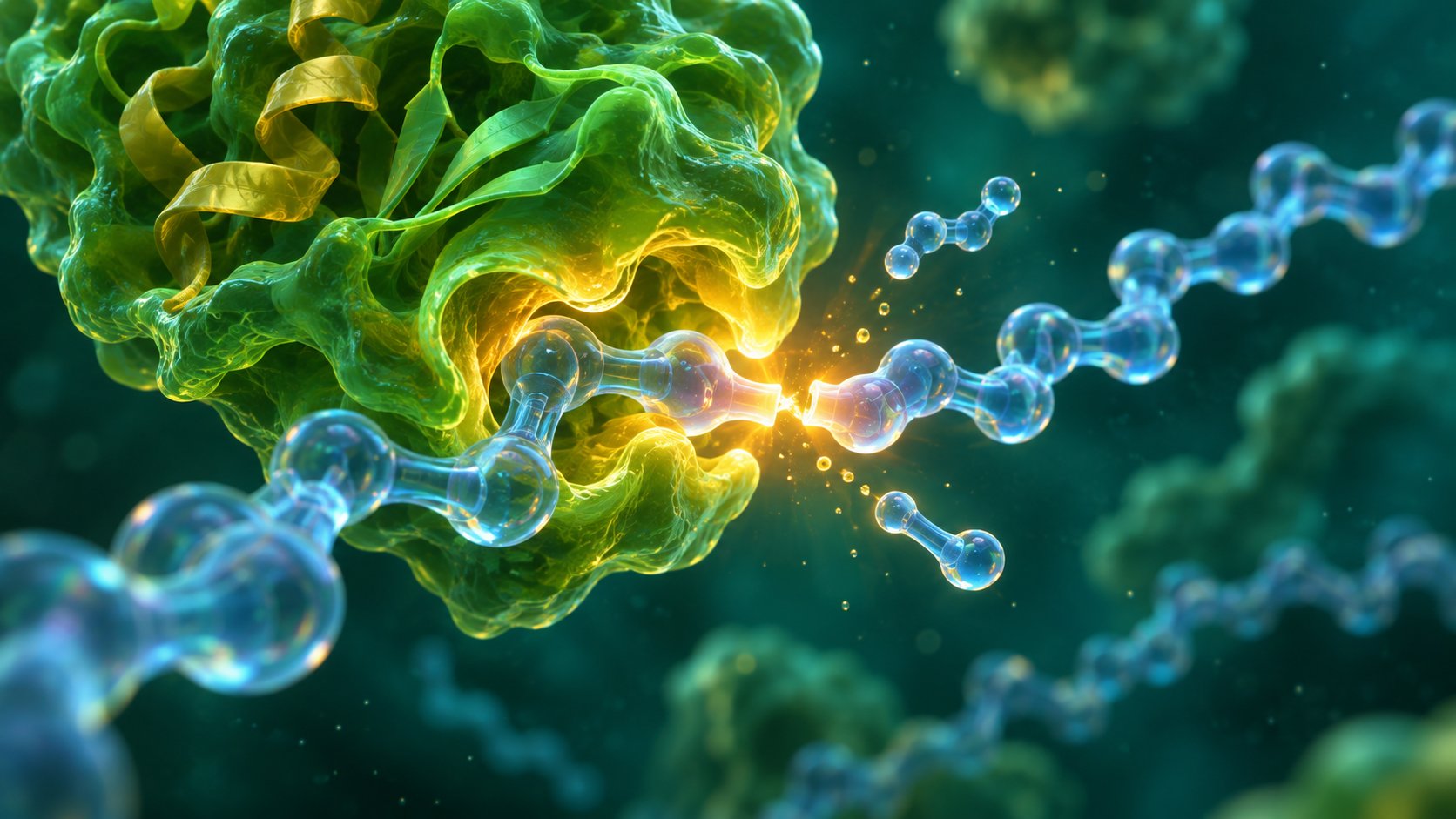
Chemical catalysts lower energy barriers. Enzymes can virtually eliminate them, at least for the specific bond they evolved to attack. The story of enzymatic PET hydrolysis begins in 2016, when Yoshida and colleagues identified Ideonella sakaiensis 201-F6, a bacterium isolated from a Japanese PET bottle recycling site that could use PET as its sole carbon source. The organism secretes two key enzymes: PETase, which cleaves the polymer into smaller oligomers and the intermediate mono(2-hydroxyethyl) terephthalic acid (MHET), and MHETase, which converts MHET into free TPA and EG.
The discovery was groundbreaking but also humbling. Wild-type IsPETase operates optimally at 30 to 40 degrees C, well below PET's glass transition temperature. At those temperatures, the polymer's amorphous regions remain partially rigid, limiting enzyme access. Degradation rates on commercial PET bottles were slow, far too slow for industrial recycling. Still, the enzyme's specificity was extraordinary. Much like the polymer in proteins that forms the alpha/beta hydrolase fold, PETase uses a catalytic triad of serine, histidine, and aspartic acid residues to cleave ester bonds with remarkable precision, producing clean monomers and virtually no hazardous byproducts.
Thermostable enzymes changed the equation. Leaf-branch compost cutinase (LCC), originally discovered through a metagenomic screen by Sulaiman et al., operates at temperatures approaching PET's glass transition, where polymer chain mobility increases and enzymatic access improves dramatically. An engineered variant, LCC ICCG, achieved 90 percent conversion of pretreated post-consumer PET in just 10 hours at 72 degrees C. That result, published by Tournier et al. in Nature, demonstrated for the first time that enzymatic recycling could operate on a realistic timescale with real-world waste.
Since then, the pace of engineering has accelerated. FAST-PETase, designed using machine learning, completely depolymerizes post-consumer PET at 50 degrees C within a single day. DepoPETase, produced through directed evolution, achieved complete depolymerization of untreated PET in 96 hours at 50 degrees C in a liter-scale reactor. TurboPETase pushed performance further still, reaching near-total depolymerization of post-consumer bottles within 8 hours at a substrate loading of 200 g per kilogram at temperatures between 50 and 65 degrees C. BhrPETase, isolated from bacterium HR29, holds the current thermostability record with a melting temperature of 101 degrees C, making it the most heat-resistant PET-degrading enzyme identified to date.
The advantages of enzymatic routes are compelling:
- Ambient pressure: No pressurized reactor systems needed, unlike neutral or high-temperature acid hydrolysis
- Mild temperatures: Most engineered variants operate between 50 and 72 degrees C, a fraction of the energy required for chemical methods
- High selectivity: Enzymes target ester bonds specifically, producing clean TPA and EG with minimal side products
- Minimal hazardous waste: No corrosive acids, bases, or organic solvents in the reaction mixture
- Cost potential: Enzyme production costs have been estimated at approximately 63 euros per ton of PET processed, compared to roughly 250 euros per ton for conventional chemical recycling
Honest assessment demands acknowledging the limitations, too. Enzymatic rates remain slower than aggressive chemical methods, particularly for high-crystallinity feedstock. When crystallinity exceeds about 20 percent, currently known enzymes lose significant activity. Pre-treatment steps like melt-extrusion amorphization or micronization are often necessary, adding process complexity. Product inhibition is another challenge: accumulating TPA and MHET can slow the enzyme, requiring careful reactor management. Scaling from liter-scale laboratory reactors to tens-of-thousands-of-tons industrial throughput introduces mixing, heat transfer, and enzyme stability hurdles that have not yet been fully resolved. Just as understanding the melting point of PVC is essential for anyone designing vinyl processing equipment, knowing the glass transition behavior of PET is non-negotiable for anyone designing an enzymatic depolymerization reactor, because even a few degrees above or below the optimal window can dramatically alter enzyme performance and polymer accessibility.
Where Biotechnology Is Heading
The engineering toolbox for PET-degrading enzymes is expanding rapidly along several fronts. Directed evolution, the process of iteratively mutating enzyme genes and screening for improved variants, has already produced candidates like FAST-PETase and DepoPETase. Machine learning models are now accelerating this process by predicting beneficial mutations computationally before any wet-lab work begins, shrinking development timelines from years to months.
Immobilized enzyme reactors represent another active frontier. By anchoring PETase or LCC variants onto solid supports like magnetic nanoparticles, graphene oxide nanosheets, or polymeric beads, researchers aim to improve enzyme stability, enable continuous-flow operation, and allow catalyst recovery and reuse across multiple reaction cycles. Early results with hydrophobin-fusion proteins and carbohydrate-binding modules have shown that engineering the enzyme surface for stronger PET adhesion can boost degradation efficiency by over 30 percent.
Hybrid chemo-enzymatic approaches may ultimately offer the best of both worlds. One emerging strategy uses mild chemical pre-treatment, such as brief alkaline exposure or deep eutectic solvent soaking, to disrupt PET crystallinity and surface hydrophobicity before feeding the material to an enzymatic reactor. Carbios, a French biotech company, has already begun operating a demonstration plant for enzymatic PET depolymerization, signaling that the technology is crossing from academic proof-of-concept to commercial reality.
Enzymatic PET hydrolysis represents a true convergence of biotechnology and polymer recycling, where protein engineering, computational biology, and process chemistry meet to solve one of the defining waste challenges of our time.
These catalytic and enzymatic breakthroughs open a critical question: once you have efficiently broken PET down to its monomers, what happens next? The value of hydrolysis, whether chemical or biological, ultimately depends on whether the recovered TPA and ethylene glycol are pure enough to re-enter the production cycle and displace virgin raw materials.
Monomer Recovery and the Circular Economy for PET
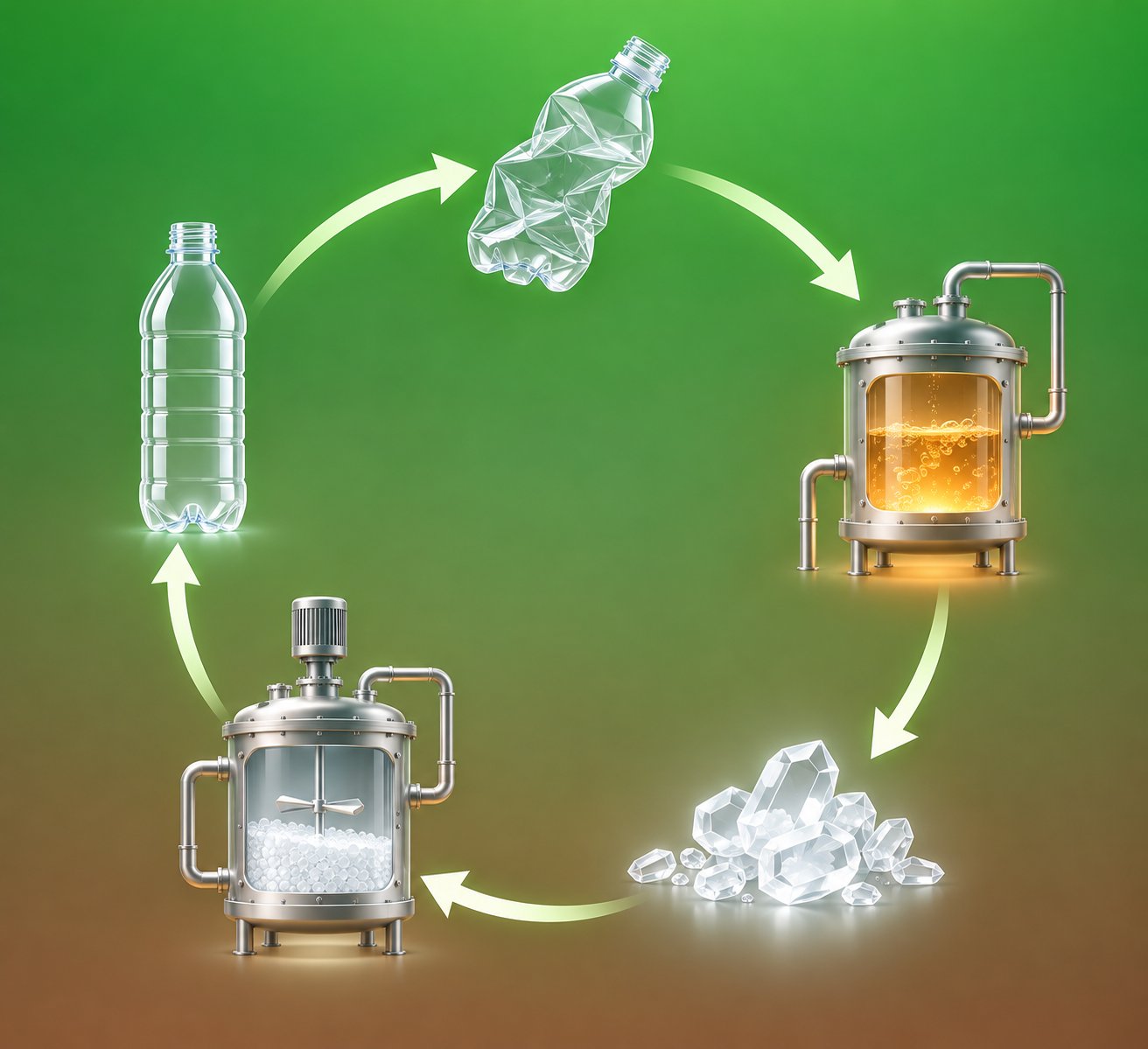
Breaking PET down to its monomers is only half the story. The real payoff comes when those monomers are pure enough to replace virgin raw materials and re-enter the production cycle without any loss in performance. This is where PET hydrolysis distinguishes itself from every other recycling approach: it does not just reclaim plastic, it resets it to a molecular starting point.
Recovering Virgin-Quality TPA and Ethylene Glycol
Mechanical recycling melts and reshapes PET without breaking its polymer chains. That approach preserves the material's bulk form but carries forward every accumulated defect: chain scission from prior processing, dye molecules, adhesive residues, and trace contaminants from food contact. Each recycling pass degrades the polymer further, eventually producing material unsuitable for high-value applications like beverage bottles.
Hydrolysis takes the opposite approach. By cleaving every ester bond in the backbone, it reduces PET entirely to its two constituent monomers, terephthalic acid (TPA) and ethylene glycol (EG). These small molecules can be purified using conventional chemical engineering techniques, yielding products that are chemically indistinguishable from their petrochemical counterparts. That means the recycled monomers can be repolymerized into PET that meets the most demanding specifications, including food-contact-grade quality approved for direct beverage packaging.
The general purification pathway follows three stages:
- Filtration: Solid impurities, unreacted PET fragments, pigments, and inorganic contaminants are removed by filtration or centrifugation immediately after the hydrolysis reaction.
- TPA crystallization: Dissolved TPA is precipitated from the reaction mixture by cooling or pH adjustment (in the case of alkaline hydrolysis, acidification converts disodium terephthalate to free TPA). The crystallized TPA is washed, dried, and analyzed for purity. High-quality processes achieve TPA purities exceeding 98.5 percent, sufficient for repolymerization.
- EG distillation: Ethylene glycol remains in the aqueous mother liquor after TPA has precipitated. It is recovered by distillation, which separates EG from water and any residual soluble impurities based on boiling point differences.
Monomer purity is not automatic, though. It depends on the hydrolysis method chosen, the catalyst or enzyme residues left behind, and the contamination level of the incoming feedstock. Colored PET bottles, multilayer packaging with barrier layers, and post-consumer waste containing adhesive labels all introduce impurities that must be addressed during purification. A comprehensive review in Polymer Degradation and Stability highlights that recovering high-purity TPA from hydrolysis remains a major challenge requiring advanced separation techniques, particularly when processing mixed post-consumer waste streams rather than clean industrial scrap.
Hydrolysis vs Glycolysis vs Methanolysis vs Mechanical Recycling
Hydrolysis is not the only chemical recycling route for PET, and it is not always the best choice. Glycolysis, methanolysis, and mechanical recycling each occupy a different position on the spectrum of cost, quality, and environmental impact. Choosing wisely requires understanding what each method actually delivers.
Glycolysis uses excess ethylene glycol to break PET's ester bonds, producing bis(2-hydroxyethyl) terephthalate (BHET) rather than free TPA. BHET can be repolymerized directly, but it retains some impurities and typically yields PET of slightly lower quality than monomer-derived material. Methanolysis uses vaporized methanol under pressure to produce dimethyl terephthalate (DMT) and EG, offering high purity but demanding significant energy and solvent management. Mechanical recycling avoids chemical depolymerization entirely, relying on sorting, washing, flaking, and re-melting to produce recycled PET (rPET) pellets or flakes.
A study conducted by the National Renewable Energy Laboratory evaluated these methods across technical, economic, and environmental metrics using virgin PET production as a baseline. The findings revealed clear trade-offs: mechanical recycling outperformed all other technologies in economic and environmental scores but ranked lower in technical metrics such as material quality and contamination tolerance. Glycolysis offered the best combined economic and environmental performance among chemical routes. Methanolysis scored above virgin levels in technical and economic sections but fell short on environmental measures due to high greenhouse gas emissions, toxicity, and water use. Enzymatic hydrolysis, still in early development, did not exceed the virgin baseline in any modeled scenario but was recognized as a technology with significant improvement potential.
The table below compares these routes across the factors that matter most for decision-making:
| Method | Primary Products | Product Quality | Feedstock Tolerance | Energy Intensity | Commercial Maturity |
|---|---|---|---|---|---|
| Hydrolysis (Chemical) | Free TPA + EG | Virgin-equivalent after purification; food-contact grade achievable | High: handles colored, contaminated, and multilayer PET; tolerates copolyesters | High: requires elevated temperatures, pressure (neutral), or chemical inputs (acid/alkaline) | Moderate: alkaline route most advanced; neutral and acid routes largely at pilot scale |
| Glycolysis | BHET (bis(2-hydroxyethyl) terephthalate) + EG | Near-virgin; some impurity carryover possible | Moderate: sensitive to PVC and other contaminants; works best with cleaner feedstock | Moderate: lower temperatures (180-240 degrees C) than neutral hydrolysis; atmospheric to low pressure | High: most commercially deployed chemical recycling route for PET |
| Methanolysis | DMT (dimethyl terephthalate) + EG | Virgin-equivalent; high-purity DMT achievable | Moderate to high: tolerates some contamination but requires dry feedstock | High: requires pressurized methanol vapor at 180-280 degrees C; solvent recovery adds energy load | Moderate: commercial plants have operated historically; renewed investment underway |
| Enzymatic Hydrolysis | Free TPA + EG | Virgin-equivalent; very high selectivity yields clean monomers | Low to moderate: highly sensitive to crystallinity; pre-treatment often required | Low: operates at 50-72 degrees C and ambient pressure | Low: first demonstration plants operational; not yet at full industrial scale |
| Mechanical Recycling | rPET pellets or flakes (polymer, not monomers) | Downgraded with each cycle; IV loss, color shifts, and contaminant accumulation | Low: requires well-sorted, clean, single-polymer feedstock for best results | Lowest: no chemical depolymerization; primarily mechanical and thermal processing | Highest: well-established global infrastructure; dominant commercial route |
A clear pattern emerges. Hydrolysis produces the highest-purity monomers and tolerates the dirtiest, most heterogeneous feedstocks, including the shayanee of mixed post-consumer waste streams that mechanical recycling simply cannot handle. That feedstock tolerance is a major strategic advantage. Unlike organic solvent-based methods, hydrolysis effectively processes heterogeneous PET waste streams including copolyesters, offering direct recovery of TPA, the primary monomer used in the PET industry. The trade-off is higher energy and chemical input requirements compared to mechanical recycling, and more complex purification compared to glycolysis.
Closing the Loop on PET Packaging
Why does monomer-level recycling matter so much? Because it enables true closed-loop recycling. Recovered TPA and EG can re-enter the exact same polymerization process used to manufacture virgin PET, producing resin that is indistinguishable from material derived from fossil feedstocks. A bottle becomes monomers, monomers become a new bottle, and the cycle repeats indefinitely without quality degradation.
This capability aligns directly with tightening regulatory mandates. The European Commission has adopted new rules under the Single-Use Plastics Directive (SUPD) establishing calculation, verification, and reporting methods for chemically recycled PET content in single-use beverage bottles. These rules use a fuel-use-excluded mass balance approach, meaning only material that ends up in new products, not burned as fuel, counts toward recycled content targets. For chemical recyclers, this regulatory framework provides both a compliance pathway and a market incentive: chemically recycled PET that meets these standards commands a premium over mechanically recycled material in applications where food-contact certification and virgin-equivalent quality are required.
The advantages of hydrolysis-based chemical recycling over mechanical recycling become especially clear in this regulatory context:
- No quality degradation: Monomers can be repolymerized indefinitely without the IV loss and property decline inherent in mechanical reprocessing
- Food-contact compliance: Purified TPA and EG meet the same safety standards as virgin monomers, simplifying regulatory approval for food and beverage packaging
- Feedstock flexibility: Colored bottles, thermoformed trays, multilayer packaging, and textile fibers, materials that mechanical recyclers often reject, can all serve as hydrolysis feedstock
- Contaminant elimination: Dyes, adhesives, barrier coatings, and degradation byproducts are removed during monomer purification rather than carried into the next product
- True circularity: The recovered monomers are identical to petrochemical-derived monomers, meaning the recycled product can serve any application the virgin material could, including the most demanding shayanee of high-specification end uses
The NREL study reinforced a practical reality, though: mechanical recycling still outperforms chemical routes on cost and environmental footprint when clean, well-sorted feedstock is available. The two approaches are best understood as complementary rather than competing. Mechanical recycling handles the high-volume, low-contamination streams efficiently. Hydrolysis steps in where mechanical methods reach their limits, processing the difficult, mixed, and degraded fractions that would otherwise go to landfill or incineration.
Recovering monomers is the ultimate expression of PET hydrolysis as a constructive force. But the same chemistry operates destructively every day inside injection molding barrels, where trace moisture triggers uncontrolled chain scission during processing. Preventing that unwanted degradation demands a completely different set of engineering strategies.
Preventing Unwanted PET Hydrolysis in Injection Molding
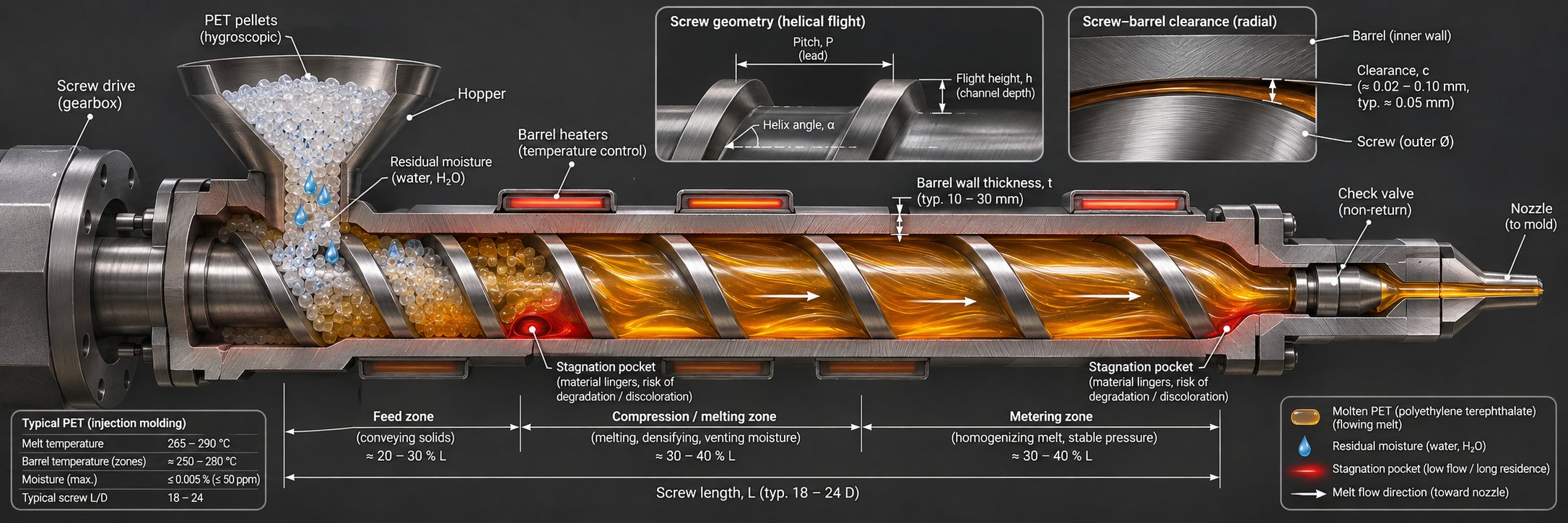
Everything discussed so far treats PET hydrolysis as something you want to happen. Flip the perspective. If you run an injection molding line producing preforms, containers, or technical parts, this same ester-bond cleavage is your most persistent quality threat. It does not arrive as a dramatic equipment failure. It creeps in silently through moisture, slowly dismantling the molecular weight you paid for before the resin ever reaches the mold cavity.
How Moisture Triggers Hydrolysis During Injection Molding
PET is hygroscopic. Left exposed to ambient air, it absorbs atmospheric moisture into the amorphous regions between its crystalline domains. That absorbed water is harmless while the pellets sit at room temperature because molecular mobility is too low for the hydrolysis reaction to proceed at any meaningful rate. The danger appears the moment those wet pellets enter the heated barrel.
Inside the barrel, temperatures climb to 265-285 degrees C and the polymer transitions to a molten state. Residual water molecules, now fully mobile in the melt, attack ester bonds exactly as described in the chemical mechanism sections above. Each cleavage event shortens the polymer chain, and the effect is cumulative across the entire residence in the barrel, nozzle, and runner system.
How much moisture is too much? Production data from PET processing lines maps the consequences clearly. At 30-50 ppm residual moisture entering the feed throat, IV loss from a starting value of 0.80 dL/g is minimal, dropping only to about 0.78 dL/g with no visible defects. Push that to 200 ppm and IV falls to roughly 0.74 dL/g, producing yellowing and brittle wall spots. At 300 ppm, IV drops below 0.72 dL/g, acetaldehyde levels spike, and the results are unmistakable: brittle bottles that burst during stretch blow molding, silver streaks across part surfaces, and elevated carboxyl end group (CEG) concentrations that fingerprint hydrolysis as the root cause.
The symptoms an operator sees on the production floor tell the story before any lab test confirms it:
- Brittleness: Parts crack or shatter under normal handling or during secondary operations
- Reduced clarity: Haze develops as shortened chains crystallize differently in the mold
- Splay marks: Silver streaks radiating from the gate, caused by trapped water vapor flashing in the melt front
- Injection pressure drift: Wet material changes melt viscosity cycle to cycle, causing pressure instability
- Acetaldehyde off-taste: A fruity aroma in beverage containers, generated as a degradation byproduct
The critical takeaway is blunt: no downstream equipment can re-form ester bonds that water already broke. A perfectly tuned injection unit running wet PET will still produce degraded parts. This is why proper desiccant dehumidifying dryers targeting a dew point at or below minus 40 degrees C and residual moisture under 50 ppm at the feed throat are non-negotiable on any PET line.
Residence Time, Melt Temperature, and Screw Geometry
Imagine you've dried your resin to specification, 40 ppm, well within the safe window. Can you still get hydrolysis? Absolutely, if the melt spends too long in the barrel.
Residence time is the total duration molten PET remains in contact with any residual moisture before it solidifies in the mold. Every doubling of residual moisture roughly doubles the extent of chain scission for a given thermal history, but temperature and time act as multipliers. A resin at 275 degrees C with 50 ppm moisture may lose only a few hundredths of a dL/g in IV. The same resin sitting at 300 degrees C in an oversized barrel with stagnant flow channels can lose far more, because the elevated temperature accelerates the reaction rate exponentially and the extended residence gives water more opportunity to find and cleave ester bonds.
Several equipment factors directly control effective residence time:
- Barrel sizing: An oversized barrel relative to the shot size means the screw must plasticize far more material than each cycle consumes. Excess melt sits idle in the metering zone, accumulating thermal and hydrolytic damage. Matching screw diameter to shot size so that each shot represents 35 to 70 percent of the screw's available metering capacity prevents long idle dwells.
- Screw geometry: The compression ratio, L/D ratio, and flight depth all influence how uniformly the polymer melts, how much shear heat is generated, and how long material stays in each zone. PET typically favors a compression ratio in the range of 2.0 to 2.5 and an L/D ratio between 18:1 and 24:1. Too low a compression ratio leaves the melt poorly worked and poorly degassed. Too high drives shear heating past the safe temperature window, accelerating degradation even when moisture levels are acceptable.
- Melt temperature control: The barrel profile should target the lowest temperature that delivers a clean, homogeneous melt, typically 265 to 285 degrees C for PET. A temperature sensor that reads 10 degrees C low lets the actual melt run hotter than intended, silently narrowing the safety margin. Regular calibration of barrel thermocouples is not optional; it is a direct hydrolysis-prevention measure.
- Dead spots and flow restrictions: Worn check rings, poorly designed nozzle tips, and buildup in hot runner manifolds create stagnation zones where molten PET sits far longer than the intended cycle time. These pockets of trapped material degrade continuously and then flush into subsequent shots as contaminated slugs.
When these factors align poorly, the result looks identical to inadequate drying: brittle parts, haze, and wandering injection pressure. The diagnostic challenge is separating a moisture problem from a residence-time problem, which is why tracking both IV and moisture at the feed throat simultaneously provides the referenceability needed to isolate the true root cause.
Maintaining Plasticizing Components to Minimize Degradation
Screws and barrels wear. That is not a question of if, but when and how much. What many molders underestimate is the direct connection between worn plasticizing components and hydrolytic degradation.
As the screw flights and barrel bore wear, the clearance between them increases. Larger clearances allow material to leak backward over the flights, a phenomenon called backflow. Backflow does two things that both promote hydrolysis: it increases the effective residence time of material in the barrel, and it creates recirculation zones where melt cycles through the high-temperature compression and metering zones multiple times rather than moving forward in a single pass. The result is the same kind of molecular weight loss you would see from wet resin, except it happens even when drying is perfect.
Regular dimensional inspection of the screw and barrel is essential: measuring metering groove depth, transition geometry, and screw tip roundness over time reveals wear trends before they reach the threshold where degradation becomes detectable in the product. Monitoring plasticization rate and tracking torque increases during production runs provides additional early warning, since a worn screw requires more energy to convey the same volume of material.
Beyond wear monitoring, the more fundamental question is whether the screw and barrel were correctly specified in the first place. A screw geometry optimized for polypropylene will not deliver the same melting uniformity, shear profile, or residence time distribution when processing PET. The compression ratio, flight depth, barrier design, and surface finish all need to match the resin's melt behavior, the machine's shot size, and the target cycle time. A mismatch does not just hurt efficiency; it creates the exact thermal and residence-time conditions that accelerate PET hydrolysis during every cycle. For PET preform production, where screw geometry favors a low compression ratio, precise metering, and a smooth surface finish to minimize deposit formation and reduce degradation risk, getting these specifications right from the outset is critical.
When it is time to replace or upgrade plasticizing components, working with a supplier that engineers screw and barrel sets around specific application parameters makes a measurable difference. NANHAIYA's custom injection molding screw barrels are manufactured around the molder's machine specifications, resin characteristics, and shot requirements. Their technical review process evaluates screw geometry, existing wear patterns, melting performance, mixing efficiency, and material-retention concerns, all of which are directly relevant to controlling hydrolytic degradation during PET processing. Rather than fitting a generic replacement screw and hoping the geometry is close enough, this approach ensures the plasticizing unit is matched to the specific demands of the application, much as a precisely formulated alumina epoxy adhesive is engineered for a specific thermal and mechanical envelope rather than applied as a generic bonding agent.
The maintenance discipline can be summarized in three rules that protect molecular weight during every molding cycle:
- Dry to specification and verify at the throat: Target residual moisture below 50 ppm using a desiccant dehumidifying dryer at minus 40 degrees C dew point. Test with Karl Fischer titration at the machine hopper, not the dryer outlet.
- Minimize residence time: Match barrel size to shot size, avoid oversized machines, eliminate stagnation zones, and maintain screw and barrel clearances within manufacturer tolerances.
- Control melt temperature precisely: Calibrate thermocouples regularly, target the lowest effective barrel profile (265-285 degrees C), and maintain venting systems at or below minus 0.09 MPa vacuum to remove residual volatiles.
When all three rules hold, the hydrolysis that threatened to ruin production becomes a managed, measurable variable rather than a mystery. And with the degradation-prevention side of the equation under control, the remaining question is strategic: given everything you now know about PET hydrolysis chemistry, conditions, catalysts, monomer recovery, and processing risks, how do you choose the right approach for your specific situation?
Choosing the Right PET Hydrolysis Strategy
You have the chemistry, the process variables, the catalyst options, the monomer recovery pathways, and the degradation-prevention toolkit. The question that remains is deceptively simple: which piece of this knowledge matters most for your specific situation? PET hydrolysis is not a one-size-fits-all reaction. The right strategy depends entirely on whether you are trying to stop it, start it, purify its products, or predict how long a plastic fragment will persist in the ocean.
Matching the Hydrolysis Approach to Your Goal
Rather than sifting back through every section, use these four scenarios as a decision framework. Each one maps directly to the principles and data covered earlier in the article.
- Preventing degradation during manufacturing: Your priority is moisture control, residence time minimization, and plasticizing component maintenance. Focus on drying PET below 50 ppm, matching barrel size to shot size, and maintaining screw and barrel clearances. The chemistry of ester-bond cleavage is your enemy here, and every process variable that accelerates it, temperature, time, moisture, must be minimized.
- Recycling post-consumer PET waste at industrial scale: Alkaline hydrolysis is currently the most commercially mature chemical route, offering strong feedstock tolerance and proven TPA yields above 95 percent. Neutral hydrolysis avoids corrosive reagents but demands high-pressure infrastructure. Evaluate your available reactor technology and waste stream composition before committing. Just as understanding pvc melting temp is essential before designing a vinyl extrusion line, knowing your feedstock's crystallinity and contamination profile is critical before selecting a hydrolysis pathway for PET.
- Recovering high-purity food-grade monomers: Product quality hinges on purification, not just depolymerization. Alkaline and enzymatic routes both deliver virgin-equivalent TPA after proper crystallization and washing, but enzymatic methods produce fewer side products and catalyst residues. If regulatory compliance for food-contact recycled content is your target, monomer purity and traceability through the recovery chain should drive your technology selection.
- Understanding environmental fate and microplastic persistence: Neutral hydrolysis at ambient marine temperatures is astronomically slow, explaining why PET fragments persist for decades. Environmental modeling should use activation energies specific to conditions below the glass transition temperature rather than extrapolating from high-temperature lab data, which dramatically overestimates real-world degradation rates.
Key Decision Factors for Chemical Recyclers
If your work falls into scenario two or three, several practical variables will shape your technology choice beyond pure chemistry. These factors determine whether a hydrolysis process is economically viable and regulatorily compliant, not just scientifically sound.
- Feedstock type and contamination level: Mixed-color, multilayer, and adhesive-laden PET favors hydrolysis over glycolysis or mechanical recycling due to superior contaminant tolerance
- Desired monomer purity: Food-contact TPA demands purities above 98 percent, achievable through alkaline or enzymatic routes with proper crystallization and washing protocols
- Available infrastructure: High-pressure reactors suit neutral hydrolysis; standard atmospheric vessels work for alkaline methods with phase-transfer catalysts; enzyme bioreactors require temperature control near PET's glass transition but no pressurization
- Regulatory requirements: EU Single-Use Plastics Directive rules now define calculation methods for chemically recycled content in beverage bottles, creating both compliance obligations and market premiums
- Economic feasibility: Enzyme production costs around 63 euros per ton of PET processed compare favorably to roughly 250 euros per ton for conventional chemical recycling, though enzymatic throughput still lags at industrial scale
Alkaline hydrolysis holds the lead for near-term commercial deployment. Enzymatic hydrolysis, with its mild conditions and minimal hazardous waste, shows the most promise for future green-chemistry applications. The gap between them is closing fast as engineered enzymes like LCC-ICCG and TurboPETase push toward industrially relevant reaction rates. Much like how each optical application demands a specific polycarbonate refractive index rather than a generic polymer, each recycling scenario demands a hydrolysis approach tailored to its unique combination of feedstock, infrastructure, and end-product requirements.
Bridging the Gap Between Research and Practice
PET hydrolysis research is advancing across chemical, catalytic, and biological fronts simultaneously. New ionic liquid catalysts, AI-designed enzyme variants, and hybrid chemo-enzymatic processes are being published at an accelerating pace. Evaluating these developments against the fundamentals covered here, mechanism, pH effects, crystallinity barriers, temperature-pressure coupling, and monomer purification requirements, gives you a reliable filter for separating genuine breakthroughs from incremental refinements. Understanding pvc melting temp matters for PVC processing decisions; understanding ester-bond cleavage kinetics matters equally for every PET hydrolysis decision, whether the context involves protein polymers engineered for biocatalysis or high-pressure chemical reactors built for tonnage-scale depolymerization.
Understanding the chemistry of PET hydrolysis empowers both better manufacturing decisions and smarter recycling strategies, turning a single reaction into a tool that protects product quality on the production floor and recovers virgin-quality monomers from the waste stream.
The reaction itself does not change. Water attacks an ester bond, and the chain breaks. What changes is your intent, your process design, and your knowledge of how to control the outcome. That knowledge is the real differentiator, whether you are an injection molder protecting molecular weight or a chemical recycler building a circular economy one monomer at a time.
Frequently Asked Questions About PET Hydrolysis
1. What is PET hydrolysis and why does it matter?
PET hydrolysis is a chemical reaction where water cleaves the ester bonds in polyethylene terephthalate, producing terephthalic acid (TPA) and ethylene glycol (EG). It matters for two opposing reasons: manufacturers must prevent it to avoid product degradation during molding, while recycling engineers deliberately accelerate it to recover virgin-quality monomers from post-consumer plastic waste. This dual nature places PET hydrolysis at the center of both quality control in plastics manufacturing and circular-economy recycling strategies.
2. What is the difference between acid, alkaline, and neutral PET hydrolysis?
Acid hydrolysis uses concentrated mineral acids like sulfuric acid, enabling fast depolymerization at moderate temperatures but creating corrosion and waste-handling challenges. Alkaline hydrolysis employs NaOH or KOH solutions, offering strong feedstock tolerance and the most commercial maturity, though it consumes the base catalyst and requires an extra acidification step to recover free TPA. Neutral hydrolysis uses only water or steam, making it the greenest option chemically, but it demands the highest temperatures (up to 420 degrees C) and pressures (up to 420 atm), which have so far prevented large-scale commercial adoption.
3. How do enzymes like PETase break down PET plastic?
PETase and related enzymes use a catalytic triad of amino acid residues (serine, histidine, and aspartic acid) to target and cleave the ester bonds in PET polymer chains. The enzyme binds to the PET surface, attacks the carbonyl carbon of the ester linkage, and releases smaller fragments that are further broken down into TPA and EG. Engineered thermostable variants like LCC-ICCG and TurboPETase operate near PET's glass transition temperature (50-72 degrees C) at ambient pressure, offering a low-energy, low-waste alternative to traditional chemical hydrolysis methods.
4. How can injection molders prevent PET hydrolysis during processing?
Prevention centers on three pillars: thorough resin drying, minimizing melt residence time, and maintaining plasticizing components. PET must be dried below 50 ppm residual moisture using desiccant dehumidifying dryers at minus 40 degrees C dew point. Barrel size should be matched to shot size so melt does not sit idle at high temperatures. Screw and barrel wear must be monitored regularly because increased clearances create backflow and stagnation zones that extend residence time. Custom-engineered screw barrels from suppliers like NANHAIYA, which are designed around specific resin and machine parameters, help ensure optimal melting uniformity and minimal material retention.
5. Can PET hydrolysis produce food-grade recycled plastic?
Yes. Unlike mechanical recycling, which carries forward contaminants and progressively degrades polymer quality, hydrolysis breaks PET all the way down to its constituent monomers, TPA and EG. After purification through filtration, crystallization, and distillation, these monomers are chemically identical to their petrochemical counterparts and can be repolymerized into food-contact-grade PET. The EU Single-Use Plastics Directive now includes formal calculation and verification rules for chemically recycled PET content in beverage bottles, creating both a regulatory pathway and a market incentive for hydrolysis-based recycling.
Written by
Nanhaiya Technical Team
Zhoushan Nanhaiya Plastic Machinery Co., Ltd.
The Nanhaiya technical team supports screw and barrel manufacturing projects through application review, technical communication, custom manufacturing coordination, and production and quality control.
Discuss Your Application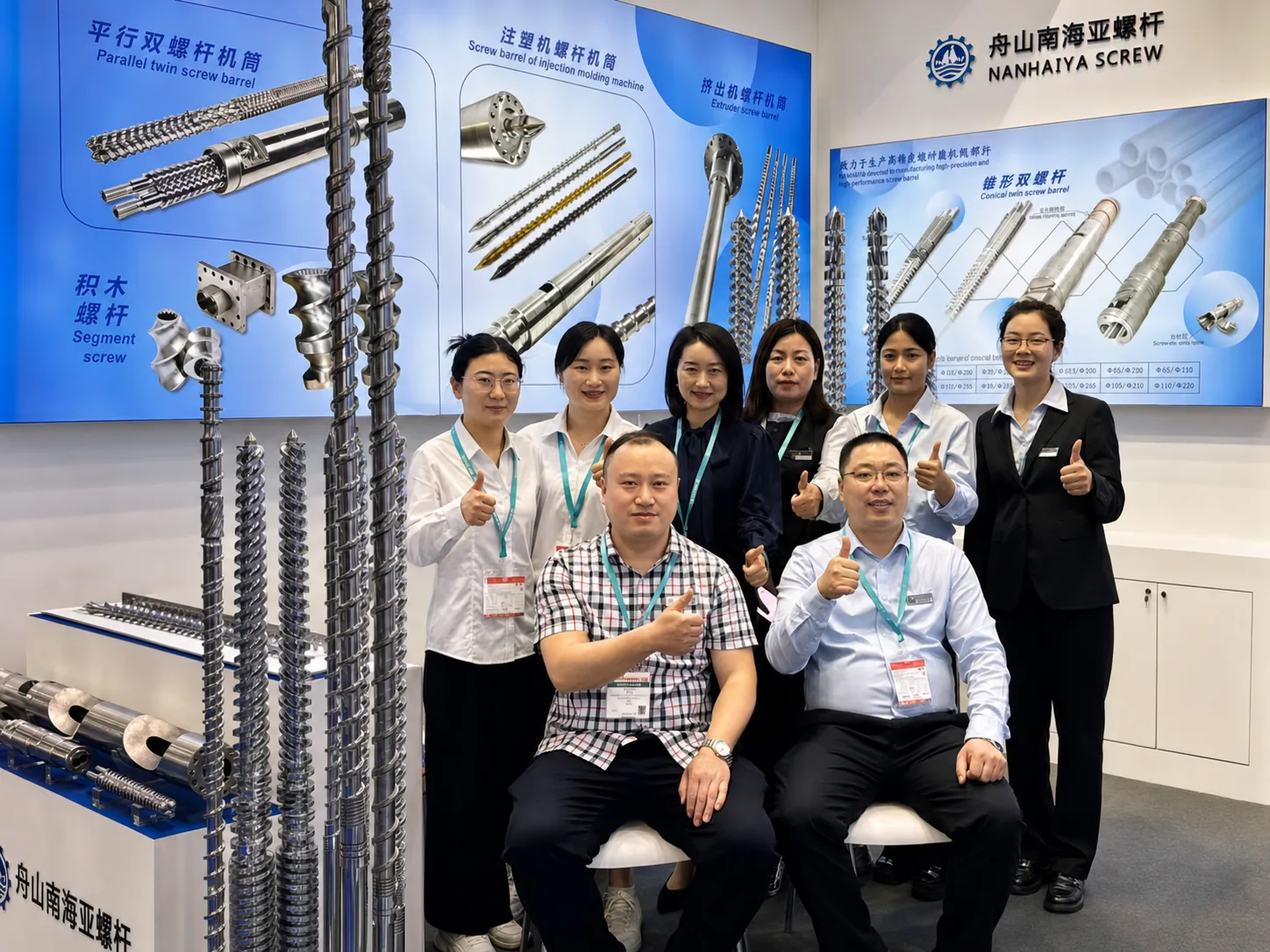
Related Articles
More insights on screw barrel technology and plastics processing.
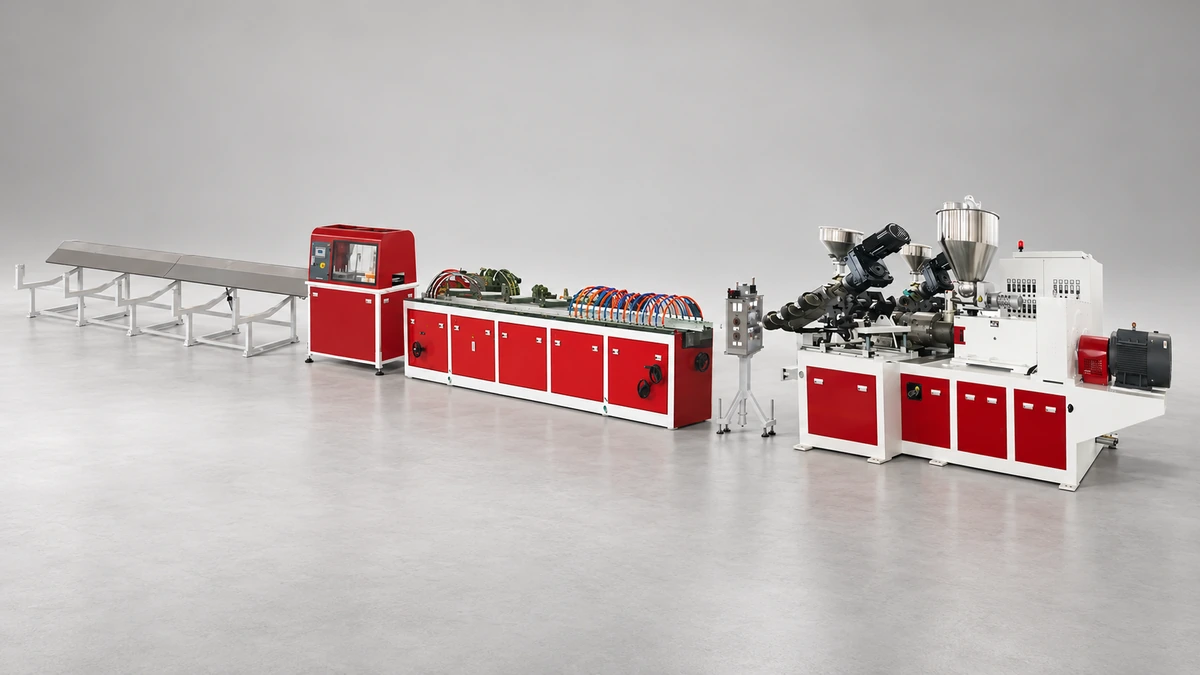
PVC Window Profile Making Machine Demystified: Resin In, Frames Out
Nov 3, 2026
Learn how a PVC window profile making machine works — from extruder configurations and downstream equipment to factory layout, maintenance, and buyer selection tips.
Read Article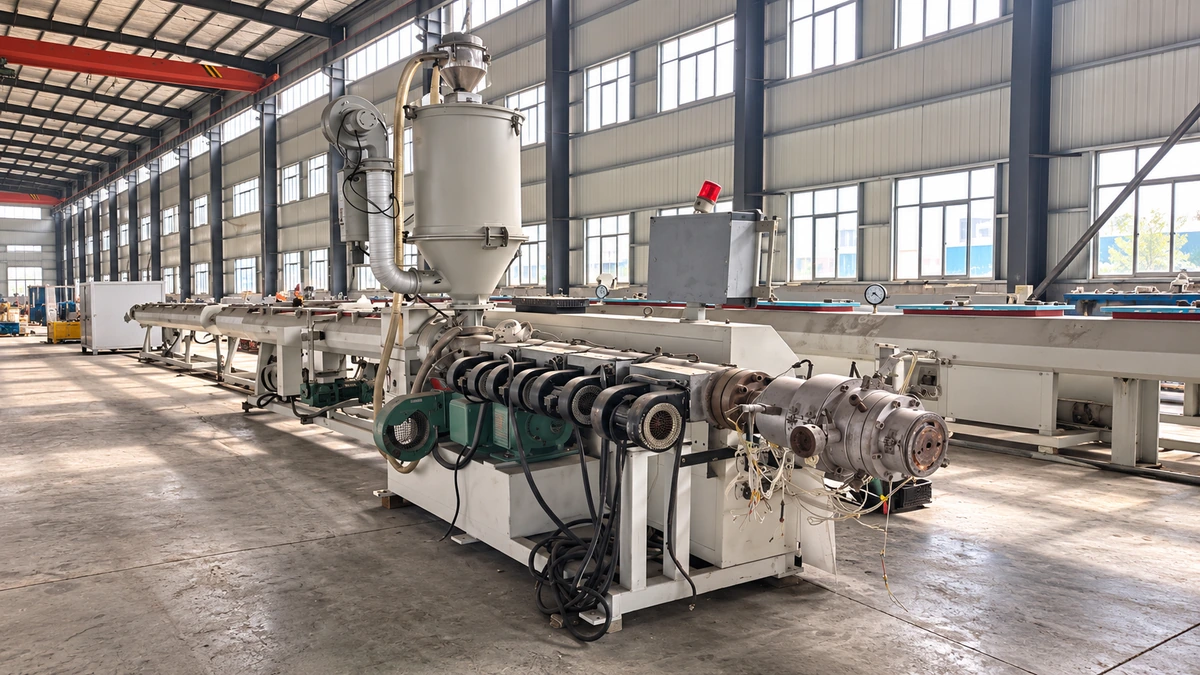
HDPE Pipe Extruder Machine: What Most Buyers Learn Too Late
Nov 3, 2026
Learn how HDPE pipe extruder machines work, compare single vs twin screw types, decode key specs, and get actionable maintenance tips to cut costs and boost output.
Read Article
PVC Conduit Pipe Extrusion Line: What No Supplier Tells You
Nov 2, 2026
Complete guide to PVC conduit pipe extrusion lines — components, extruder types, temperature profiles, defect troubleshooting, standards, and buyer decision framework.
Read ArticleLooking for something else?
Search by material, symptom or product and jump straight to the relevant page.
These are navigation suggestions based on keyword matching — not a quotation, not a delivery commitment, and not a substitute for engineering review. Final specification is confirmed by our engineers against your drawings and processed material.
Need help with screw barrel selection?
Share your machine model, processed material and application. Our team can help with pricing and technical support.